The Unblocked Blog
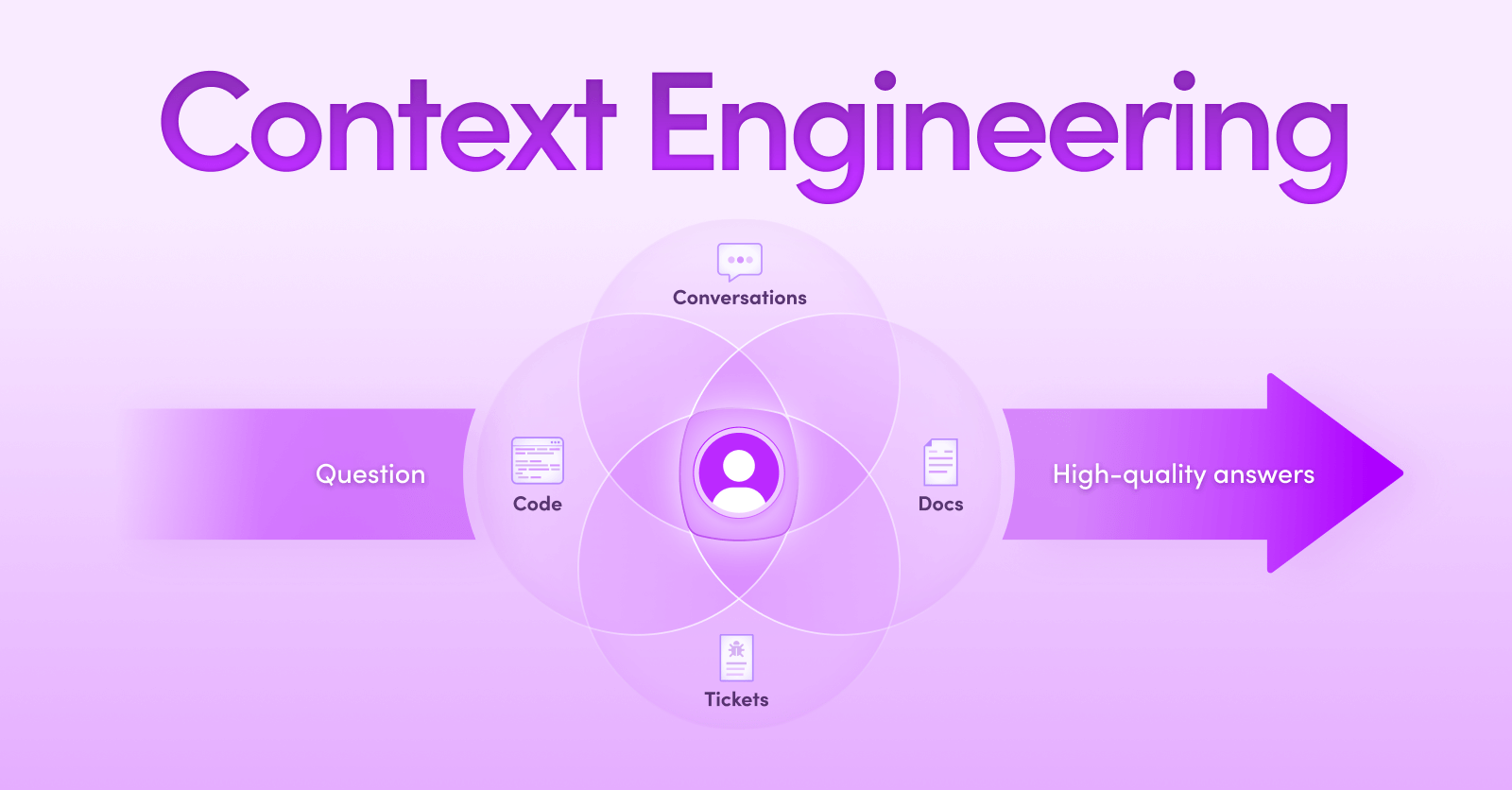
Context Engineering: Why LLM’s need more than prompts and MCP servers
Context engineering ensures large language models see the right information at the right time, grounding their reasoning in real code, docs, and conversations instead of guesswork.
The 5 Criteria That Define a Context Engine (And Which Tools Meet Them)
Everyone markets a 'context engine' now. Very few tools actually meet the bar. Here's the 5-criteria rubric that separates real context engines from retrieval layers, plus a scorecard of how every major tool performs.

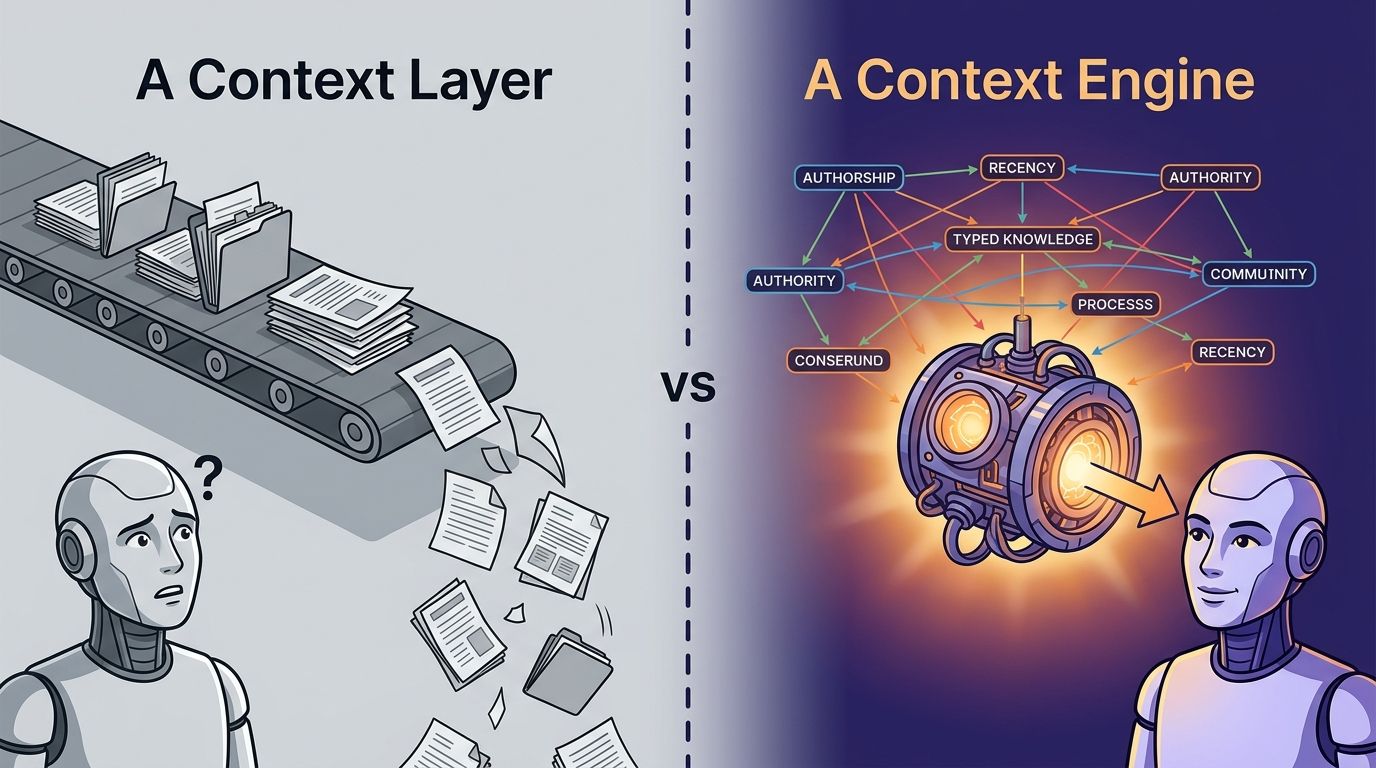
A Context Layer Is Not a Context Engine
84% of pro devs use AI coding tools, but a context layer alone isn't enough. How continuous synthesis beats passive retrieval — and when to move from layer to engine.
Context Engine vs Knowledge Graph: When You Need Understanding, Not Just Data
Knowledge graphs map relationships between entities. Context engines reason across sources to produce answers. Here is when each one fits and where graphs alone fall short.

How to Implement Context Engineering for AI Coding Agents
A step-by-step context engineering implementation guide: audit agent failures, map knowledge sources, build retrieval, enforce permissions, and measure results.

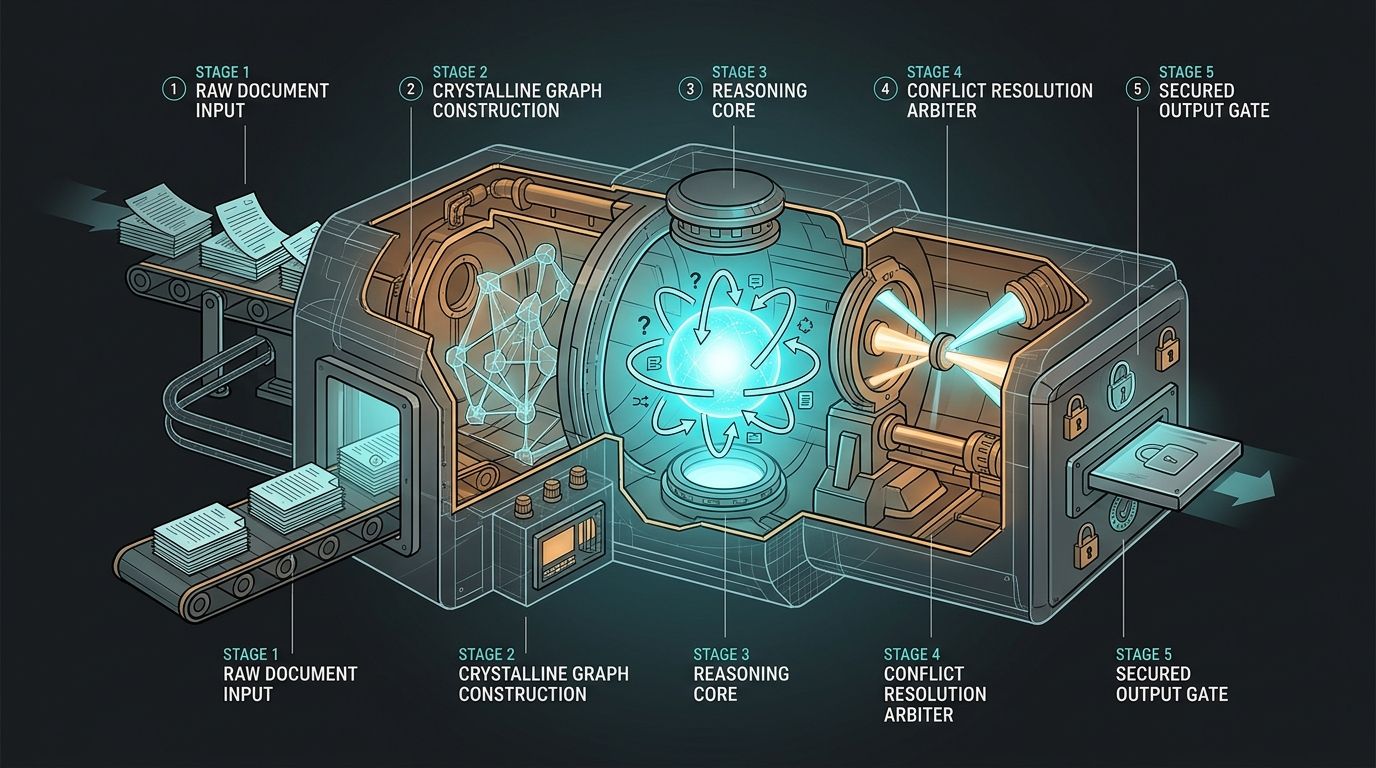
How a Context Engine Actually Works: An Architecture Deep Dive
A working context engine is a five-stage system: ingestion, graph construction, retrieval-reasoning loop, conflict resolution, and permissioned delivery. Here is what each stage actually does and where the hard engineering sits.
How to Evaluate a Context Engine: The Buyer's Checklist
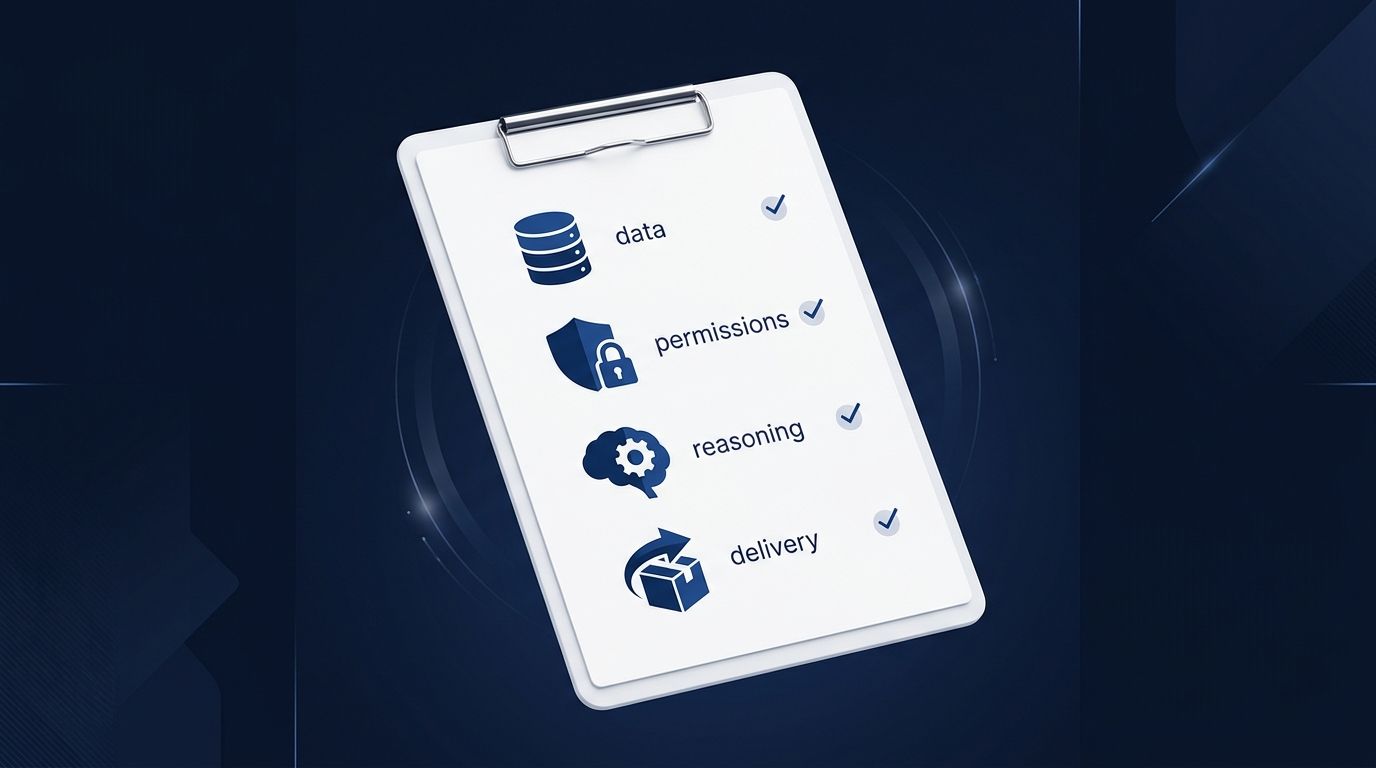
A context engine evaluation should answer one question: will this system give your agents and engineers decision-grade context, or just better search results? This checklist covers data sources, conflict resolution, permissions, MCP delivery, and the retrieval-to-reasoning pipeline.
Unblocked vs Glean: Engineering Workflows Compared
Glean is a powerful enterprise knowledge platform. But engineering teams need depth it wasn't designed for. Here's how Glean and Unblocked compare for engineering workflows.

Three Myths About Context for AI Agents (And What Actually Works)
Naive RAG, stacking MCP servers, and bigger context windows are the three fixes teams reach for when AI agents ship bad code. All three fall short. Here's what the research says, and what actually works.

Unblocked vs Sourcegraph Cody: Code Context for Enterprises
Developers spend 60% of their time reading code, not writing it. Compare Sourcegraph Cody and Unblocked on data sources, context depth, and enterprise fit.

When to Use MCP vs CLI for AI Agent Tools (2026 Decision Guide)
MCP and CLI aren't competitors, they're different surfaces for different agents. A practical 6-factor rubric for picking the right one (or shipping both).

Context Engineering: The Complete Guide for Engineering Leaders
Why AI coding tools keep shipping rejected PRs, and how context engineering, the discipline behind the WHY of code, fixes it. A pillar guide for engineering leaders.

Context Engineering vs RAG: When to Use Which Approach
RAG retrieves similar documents. Context engineering decides what an agent should know before it acts. Here is when each approach fits, when they overlap, and how to choose.

ServiceNow vs Tabnine vs Unblocked: Enterprise Context Engines Compared
Three vendors call their product a context engine, but they mean different things. This enterprise context engine comparison breaks down ServiceNow, Tabnine, and Unblocked across architecture, sources, permissions, and pricing so you can pick by fit.

What Is a Context Engine? A Complete Guide for Engineering Teams
A direct-answer guide to what a context engine is, how it differs from RAG and a context layer, and when engineering teams actually need one.

The AI Agent Doom Loop: Why Your Agent Keeps Making the Same Mistake
The AI agent doom loop isn't a model problem. It's a context problem. Here's why coding agents repeat the same mistakes, and what actually breaks the cycle.

Context Engine vs Enterprise Search: Glean, Elasticsearch, and the Limits of Search
Enterprise search finds documents. A context engine resolves conflicts, enforces permissions, and reasons across sources. Here is where each one fits and where search stops being enough.

Satisfaction of Search: Why AI Agents Stop Before Finding the Right Answer
Satisfaction of search is a fifty-year-old cognitive bias from radiology. It explains why AI coding agents stop at the first plausible result and ship code that compiles but fails review.

OSS Social Graph Builder: map how your engineering team actually collaborates
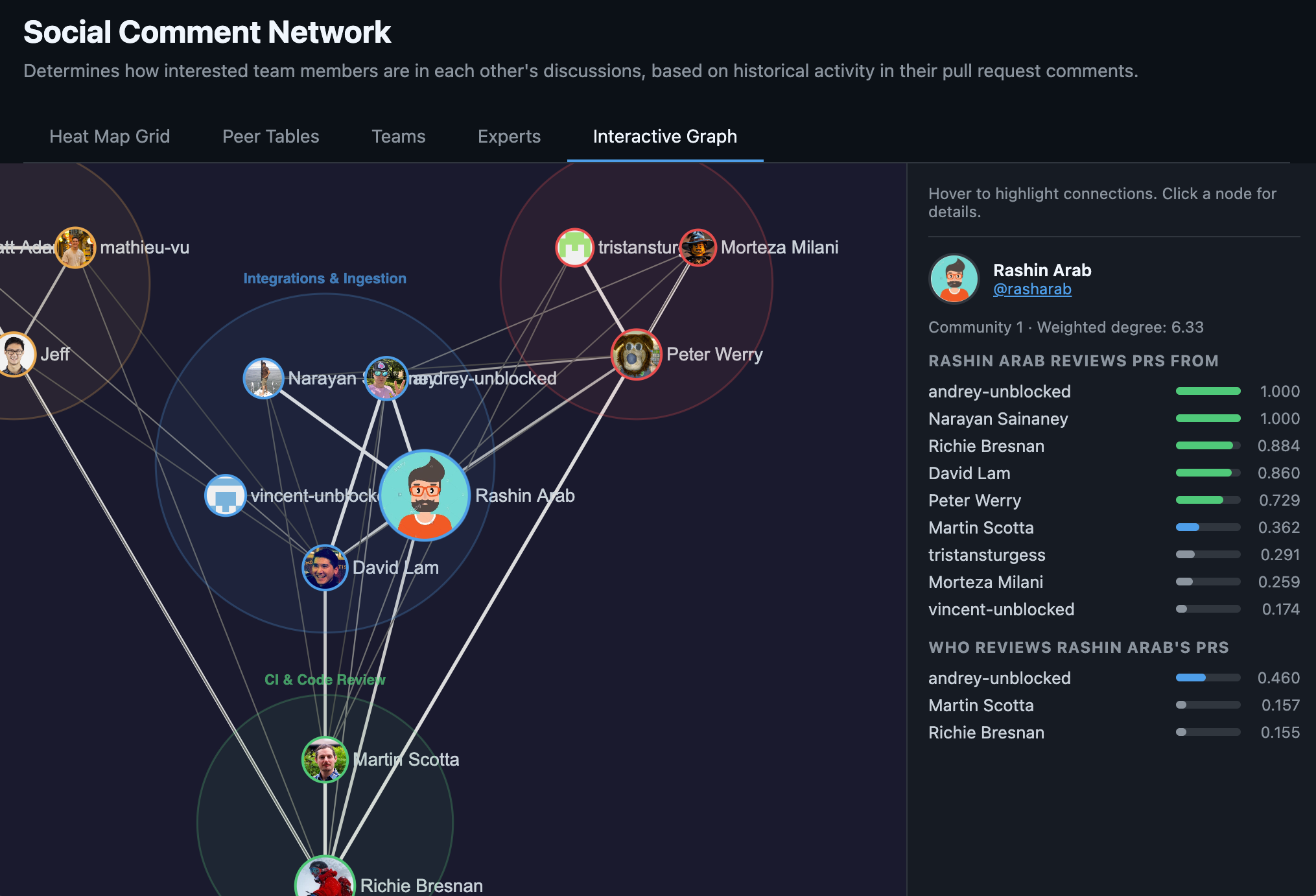
We're open-sourcing Social Graph Builder, a CLI that builds a weighted collaboration graph from GitHub PR history. It maps who reviews whose code, detects teams, identifies domain experts, and flags knowledge silos.
Your Agents Aren't in 50 First Dates. They're in Memento.
The "50 First Dates" analogy for AI agents is too generous. What's actually happening looks a lot more like Memento. Agents don't wake up to a clean briefing. They wake up to Polaroids and tattoos, and they're confidently stitching together the wrong picture.

Context Engineering vs Prompt Engineering: What's the Difference?
Prompt engineering shapes how you ask. Context engineering shapes what the model knows. Here's where each discipline starts, stops, and how they work together in production.

Decision-Grade Context: Why Retrieval Isn't Enough for AI Agents
Decision-grade context is context an AI agent can act on without re-verification: synthesized across sources, conflict-resolved, and permission-enforced. Here's why retrieval alone can't get there.

You Are the Context Engine (And That Doesn't Scale)
Engineers have become the manual context middleware between AI agents and their organizations. Here's why that collapses, what it costs, and what has to change.

Context Engine vs RAG: Why Retrieval Alone Isn't Enough
RAG retrieves documents. A context engine resolves conflicts, enforces permissions, and reasons about what retrieval returned. Here is when each one fits.

Stop Babysitting Your Agents: How to Get Mergeable Code on the First Run
Most engineers are still the context engine for their AI agents. Here's why that collapses at parallel scale, and what mergeable code on the first run actually requires.

What Is Context Engineering? Definition, Principles, and Why It Matters
Context engineering is the discipline of curating, retrieving, and governing the information an AI system needs to answer correctly. Here is the working definition, 5 principles, and why it matters now.

Why MCP Servers Alone Aren't Enough for Enterprise Context
MCP is a solid transport layer for AI agents, but plugging in 12 servers doesn't solve enterprise context. Here's what's missing above the wire, and why reasoning beats retrieval every time.

As questions get more complex, Unblocked expands to meet them
Developers are asking Unblocked harder questions. What started as focused lookups has expanded into questions that span systems, history, and organizational context. To support that shift, we've expanded the search backend that powers Unblocked.
REPL is dead, long live REPL
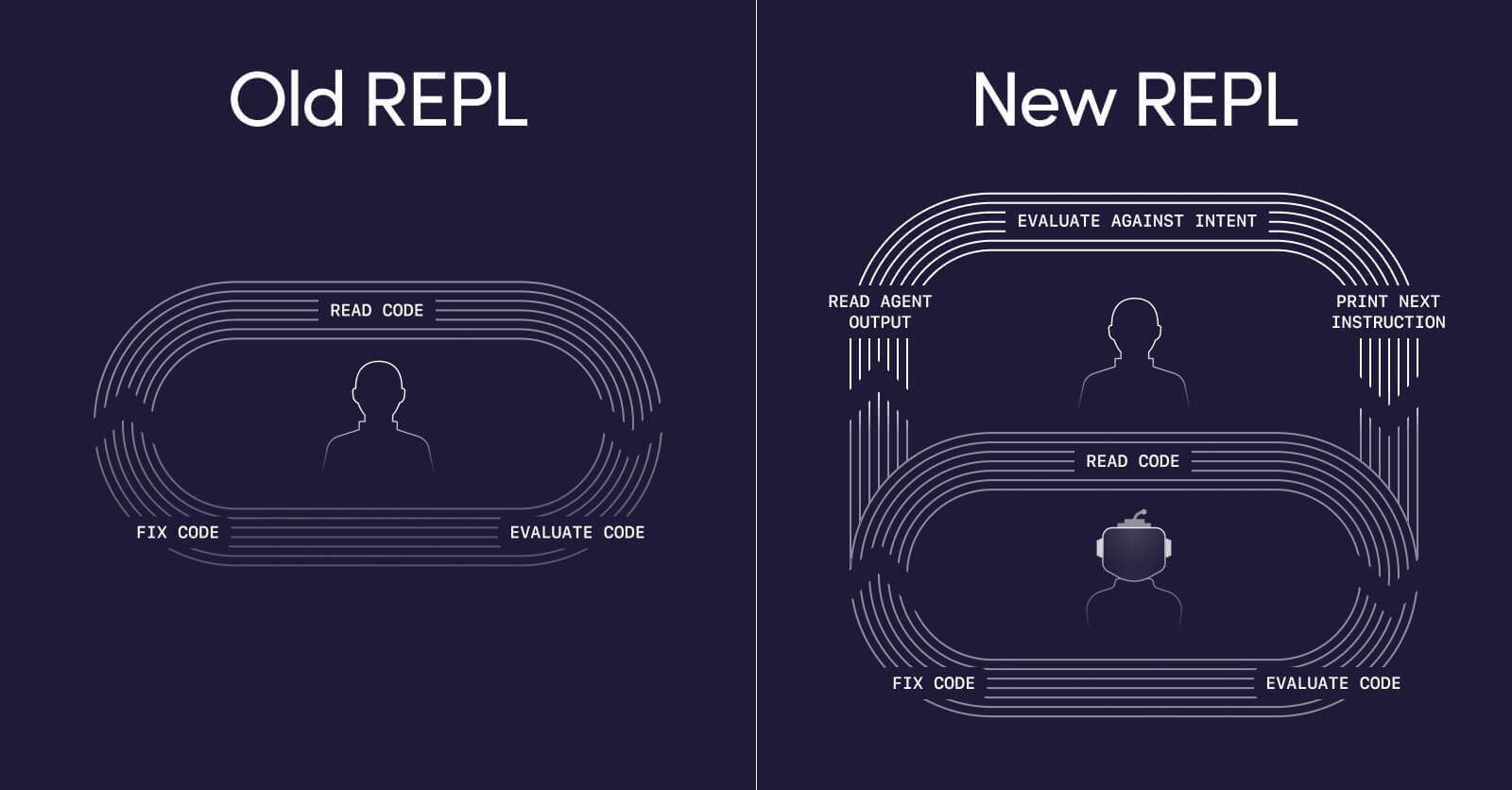
Developers have always moved up abstraction layers: we stopped writing assembly so we could think in functions. Now agents are forcing us up another layer, towards intent but we’ve never had a probabilistic layer until now.
The Context Problem Moved From People to Agents
Engineering teams have always had a context problem. New hires took months to ramp. Tribal knowledge lived in a few heads. Now that same problem lives in every AI agent session, and the old workarounds don't work.
New analytics: see how your team is using Unblocked
New Unblocked analytics give admins a clear picture of how their teams are adopting the full value of Unblocked, providing context to coding agents, getting high-quality code review, and receiving answers to their technical questions.

Finally, everyone is talking about context
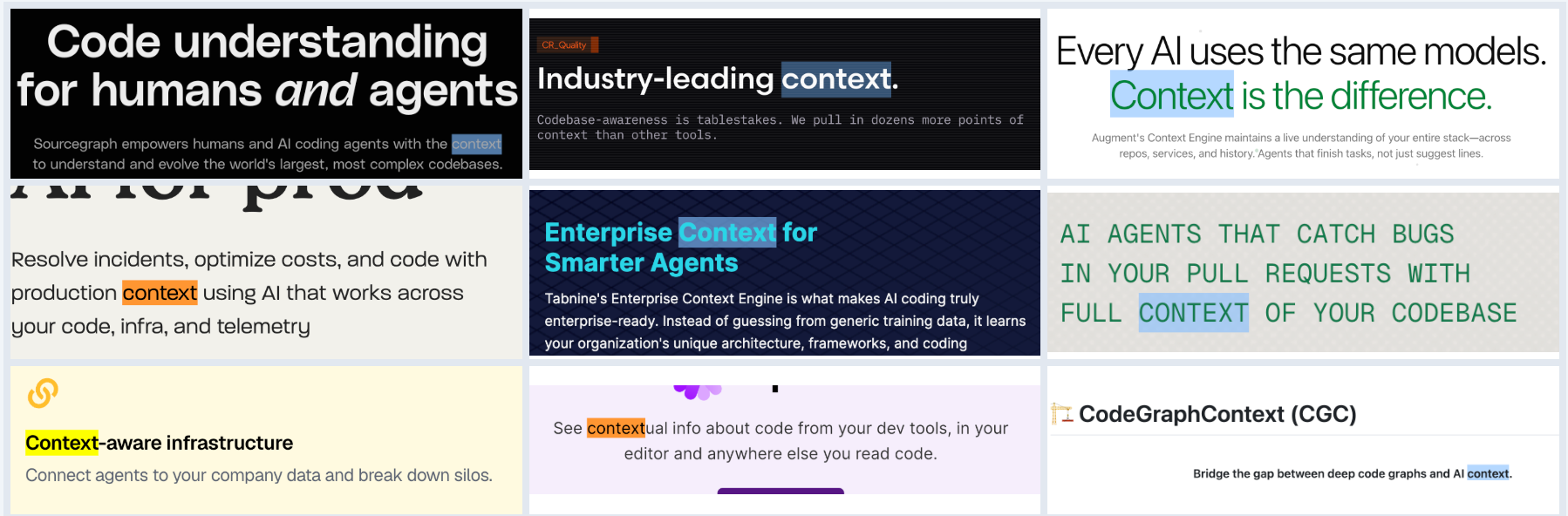
Developer tools promise "context-aware" AI, but more data access isn't context. The AI development stack needs a new infrastructure layer -- a context engine -- to turn information into understanding.
Unblocked vs Greptile: Best code review tool comparison for your team (February 2026)
Unblocked vs Greptile code review tool comparison for February 2026. See which tool fits your team's needs with organizational context vs repository analysis.
What Your Coding Agent Can't See
AI coding agents can read your repo but not your organization's reasoning. Here's what's invisible to them, why it matters, and how the gap shapes every PR they produce.
Building AI Code Review: A Conversation with Richie
AI code review inherits human biases—and adds new ones. This post and podcast explore how we built a reviewer that finds real bugs without adding noise.
Building context into everything:
A conversation with Dennis, CEO
In this post and podcast, Unblocked's CEO shares why he started the company, why context is changing everything, and what happens left and right of code gen.
Ceding control: The future of UX Design in the age of agents
AI tools ask engineers to give up control—but without context, the tradeoff isn't worth it. This post and podcast explore what's missing and what makes adoption stick.
The history & evolution of devtools from researchers in applied AI
From the Apple II to Claude Code, developer tools keep cycling through the same tensions. This post and podcast explore what we tried, threw away, and where it's all heading.
What happens when you put three AI tool builders in a room together
In this fireside chat and podcast, we discuss what developers actually want from AI tools—and why privacy, context, and knowing what you don't know matter.
Why MCP isn't enough: Enhancing agent capabilities with a context engine
MCP hasn't delivered on its promise—but wiring it to a context engine changes the game. This post and podcast cover how Unblocked helps agents stay on the rails.
How RB Global Cut a Six-Month Platform Transition Down to Three
With Unblocked, RB Global took full ownership of a consultant-operated platform in record time, all while supporting a globally distributed engineering organization.

Building AI Code Review with context as a first-class system
AI code review often increases noise instead of improving quality. This post explains how we built a context-aware reviewer by synthesizing PR history, docs, conversations, and architecture so reviews surface the issues that matter.
How a Context Engine Helped Compare the Market Scale
Compare the Market scaled engineering autonomy with Unblocked, turning scattered knowledge into a live context engine for support, debugging, and onboarding.

Calculating ROI on Unblocked
Unblocked reduces wasted search time, shortens onboarding, and lowers support overhead—helping teams reclaim measurable productivity.

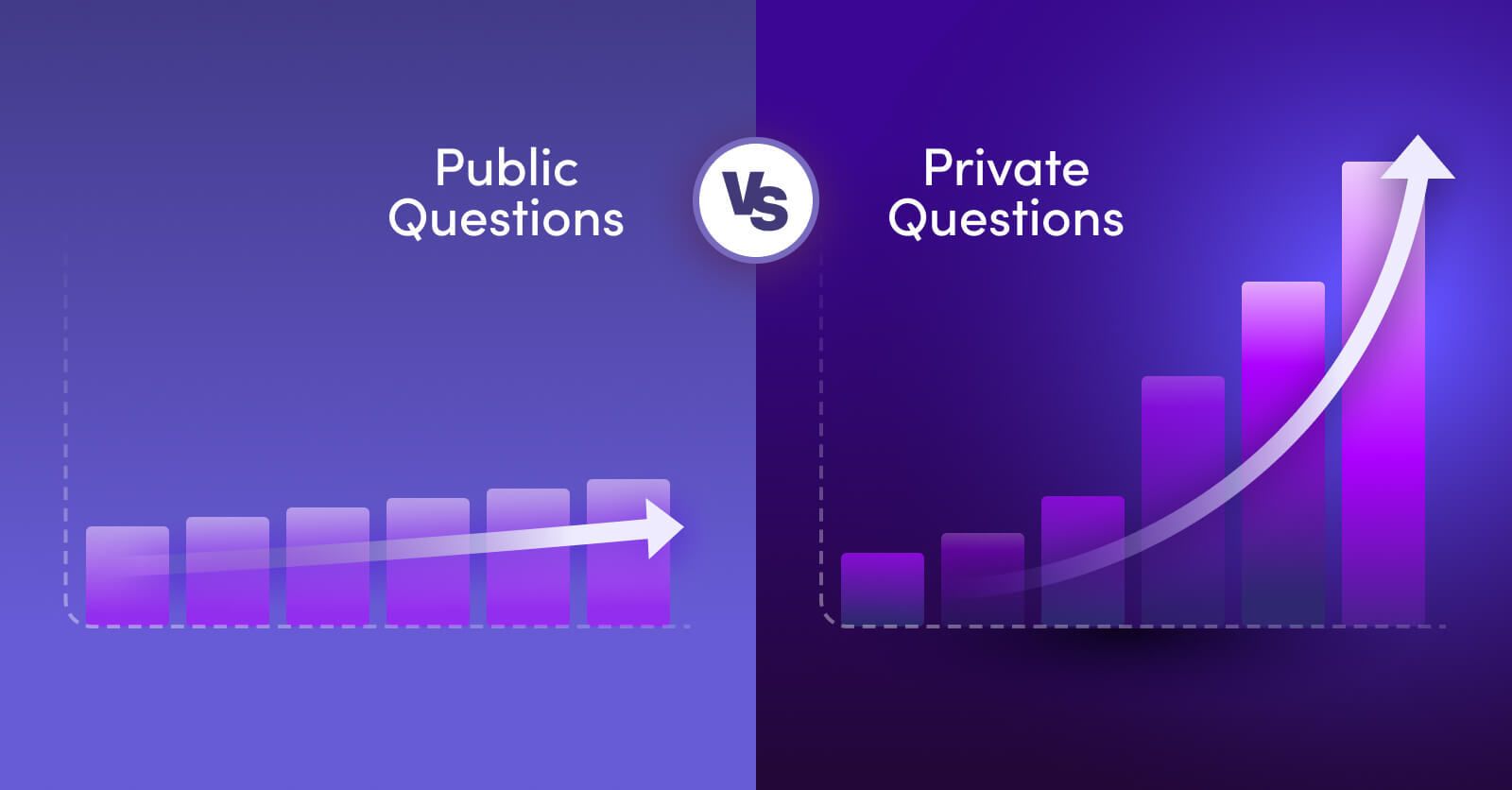
I thought transparency would help teams learn faster...I was wrong
When we made questions private by default, the results were surprising. The number of questions being asked skyocketed. We didn't change anything else. We just made it safe to ask "dumb" questions.
“Fake it till you make it” does not work for Developer Tools
Every new Unblocked user starts by asking something they already know. Their first interaction with Unblocked is a test. They want to know right away if this system is worth their time, and asking a “known” question is the simplest way to do that.

Context Engineering: Why LLM’s need more than prompts and MCP servers
Context engineering ensures large language models see the right information at the right time, grounding their reasoning in real code, docs, and conversations instead of guesswork.
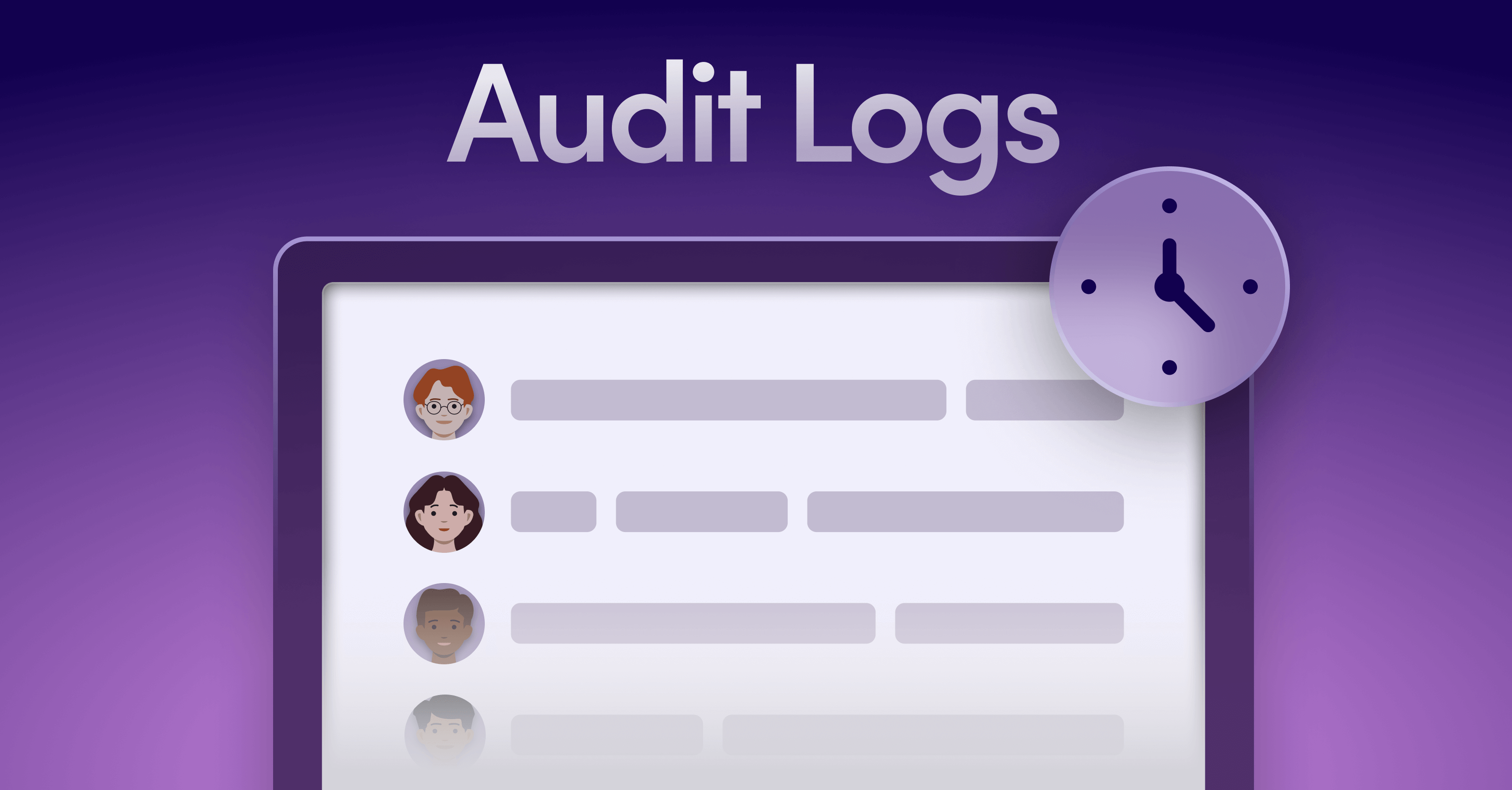
Introducing Audit Logs
Admins now have a clear, searchable record of the key actions happening across Unblocked so you can stay in control, spot issues early, and keep your workflows running smoothly.
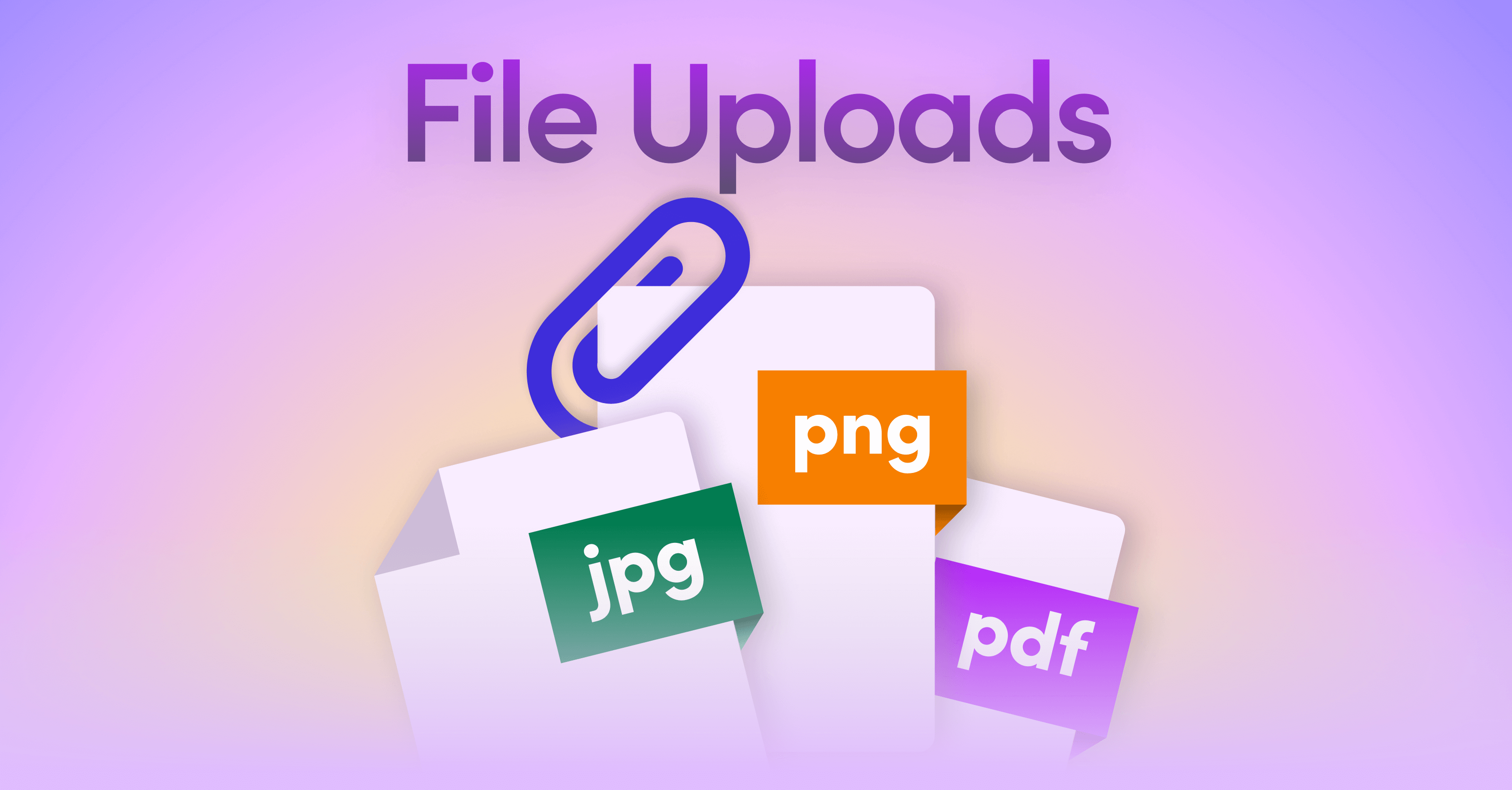
Attaching Files to Your Questions
You can now upload local documents and images for Unblocked to reference directly in a question.
Introducing the Unblocked Answers API for Custom Workflows
Today we are launching our new Answers API, which lets you integrate Unblocked’s Q&A features directly into your internal tools.
Get Answers From Your Asana Projects
Unblocked now integrates with Asana. Ask questions and find answers from your Asana tasks, comments, and project updates.

Introducing Unblocked MCP Server (Beta)
Unblocked is now available as an MCP server, supercharging tools like Cursor, Windsurf and VSCode.
Introducing PR Failure Agent
We're releasing our PR Failure Agent (previously known as Autonomous CI Triage) to general availability.
New in Unblocked: PR Failure Agent, Unblocked MCP Server (beta) & Asana Integration
We’re rolling out several new features to bring answers to more places your team works—and expand the sources that power them.

Fetch: “Unblocked transformed our internal support model.”
Fetch cut onboarding time and scaled internal support with Unblocked—helping 350+ engineers move faster, stay autonomous, and find answers instantly.
Fingerprint: “Unblocked is our single source of truth for code knowledge.”
Fingerprint scaled internal support with Unblocked, turning scattered knowledge into instant answers and saving 60–70 hours a week across engineering.
Bridging the Code Knowledge Gap: Unblocked’s Series A and the Future of Contextual Code Intelligence
At Unblocked, we’re building a contextual code intelligence platform to give developers the why behind their code, not just the what. We’ve raised $20M to help scale that vision.
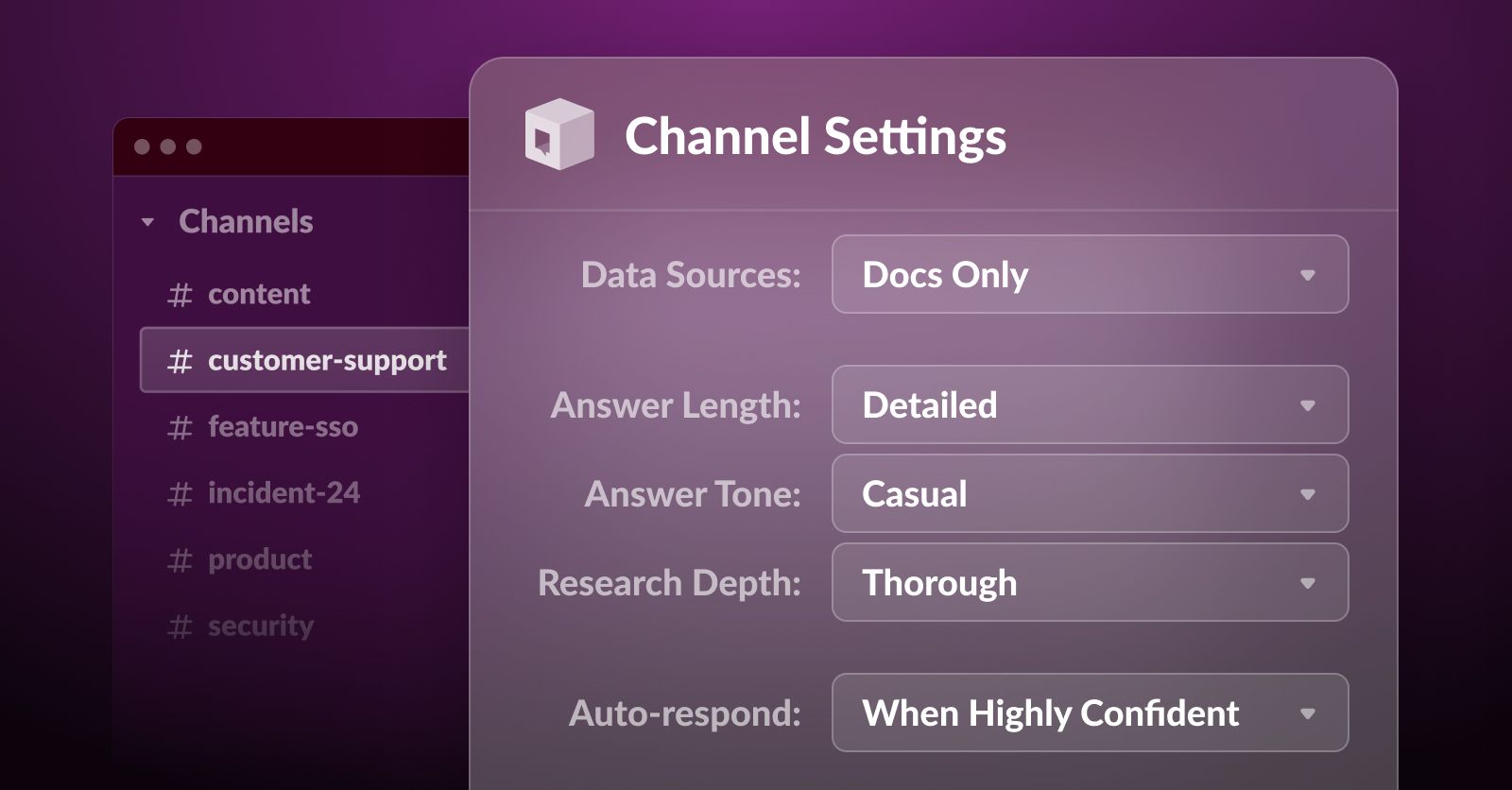
Automate Internal Support With Customized Slack Answers
Many customers want to use Unblocked to help automate their internal support in Slack. You can now have per-channel settings over how answers are generated.
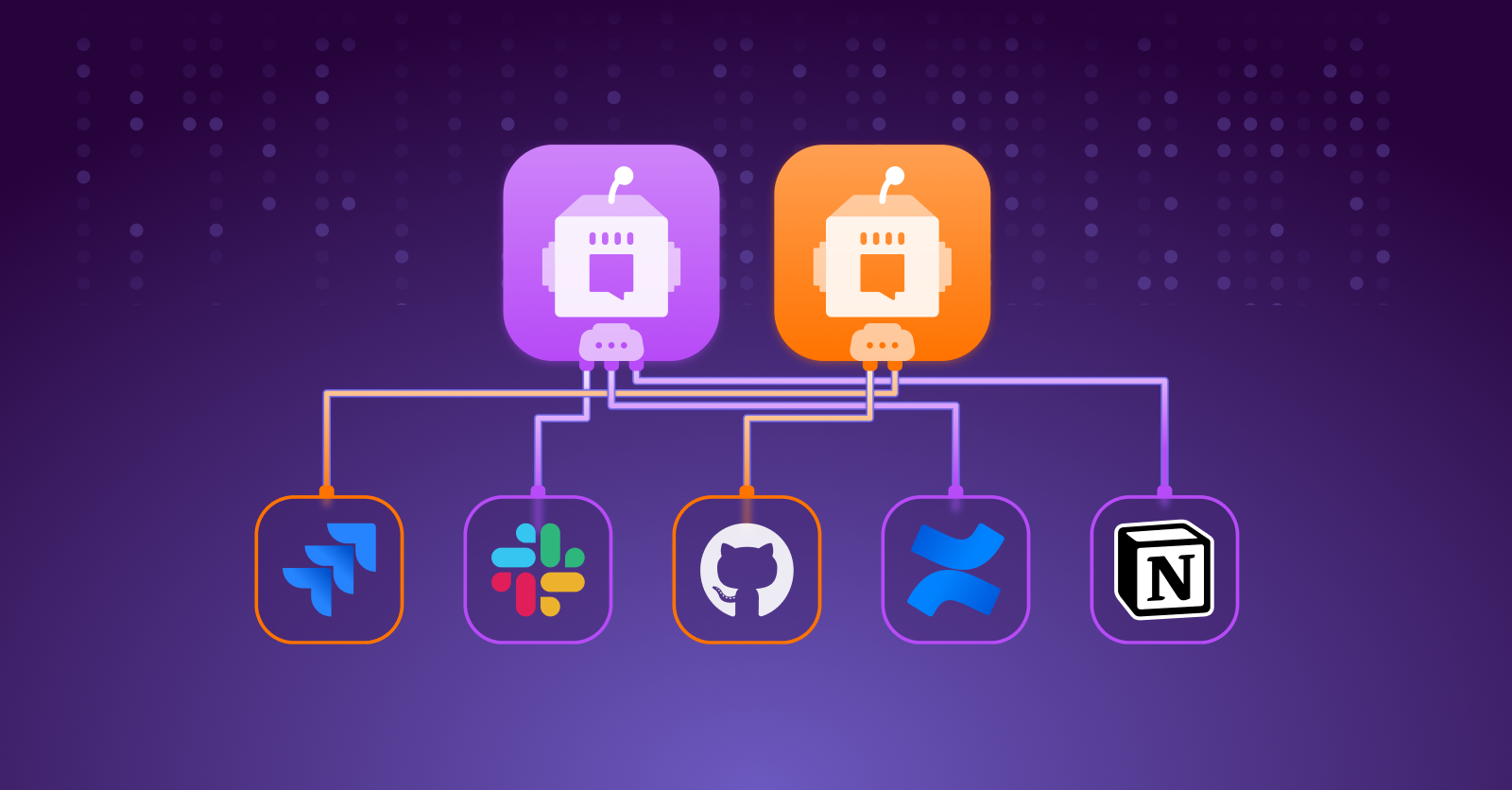
New in Unblocked: Data Source Presets, Automated CI Triage, Public API & More
You can now select specific data sources to answer questions, get automatic CI triage directly in your pull request, add custom documents via Unblocked API, and more.
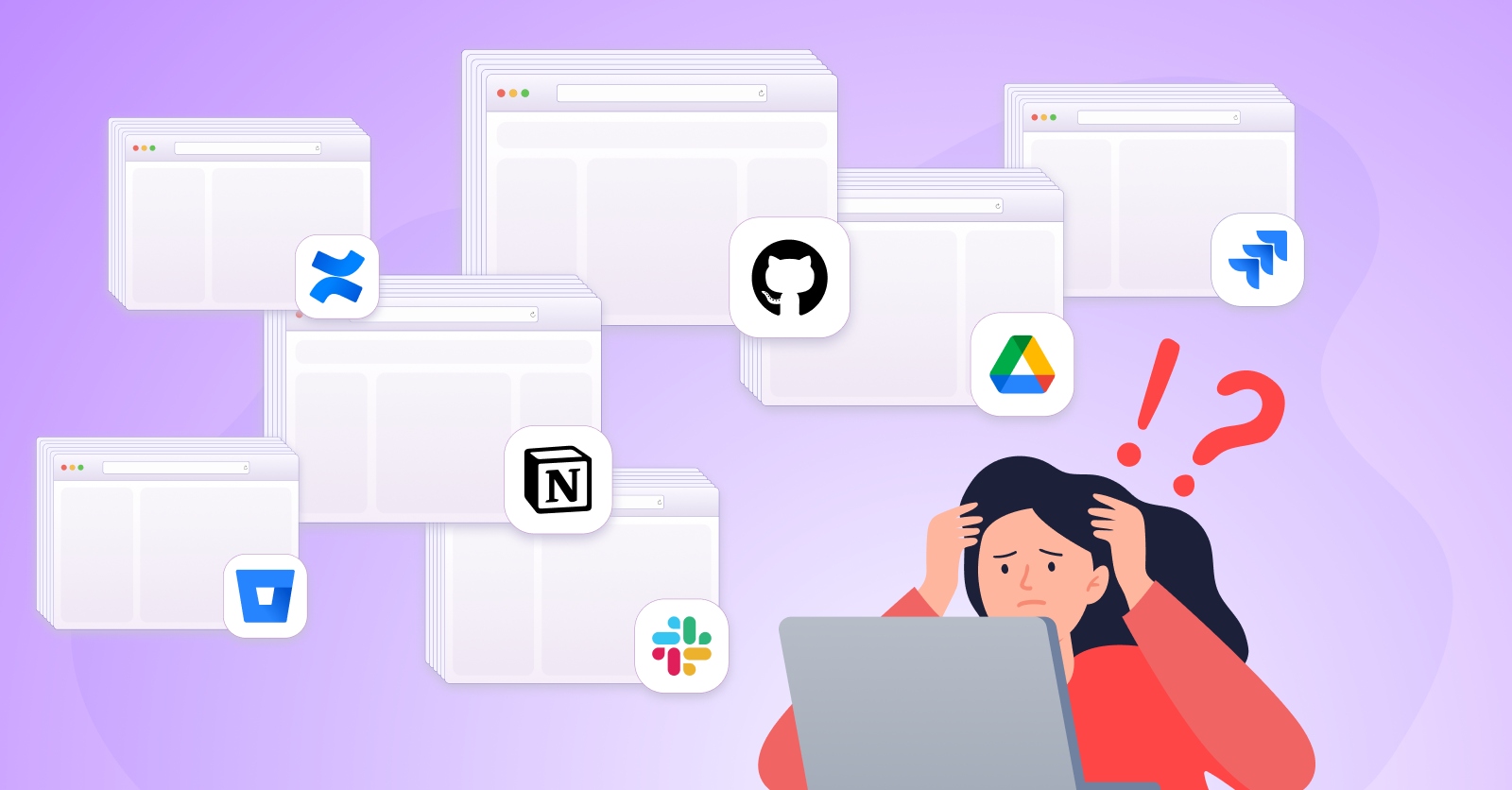
Developers Don’t Need More Docs
When developers start a new project or get stuck on a task, they don’t just need pages of structured documentation; they need answers.
How TravelPerk Supercharged Engineering Onboarding
For TravelPerk, Unblocked has been a game changer for engineering onboarding. New hires ramp up faster without interrupting others, allowing the team to stay focused and productive.
Introducing Automated CI Triage: Your New Build Detective (Beta)
We're excited to announce the upcoming beta release of Unblocked's Automated CI Triage feature, designed to save developers time by automatically detecting and suggesting fixes for CI failures.
New in Unblocked: Visualizing Your Code with Diagrams + Dark Mode
Unblocked now supports Mermaid diagrams for visualizing code and system architectures, plus dark mode for a personalized dashboard experience.

Permission-aware Answers: Keep Sensitive Information Secure With Data Shield
Unblocked's Data Shield gives you granular access controls to protect your team’s sensitive data while getting answers from Unblocked.

Introducing Analytics: track Unblocked usage, question ratings, top users, and more
Our new Analytics Dashboard helps you track adoption, spot patterns, and evaluate how Unblocked works for your team—all in one place.

How we calculate time saved by Unblocked in the Analytics Dashboard
We are giving you some context on how we estimate the time your team saved by Unblocked, based on research, customer feedback, and our observations.

The 12-Line Pull Request That Took 5 Days: A Context Problem
We have more AI developer tools than ever, yet many of us still feel unproductive. Why? Maybe it's because we're not using AI to tackle the biggest challenge in software development yet.

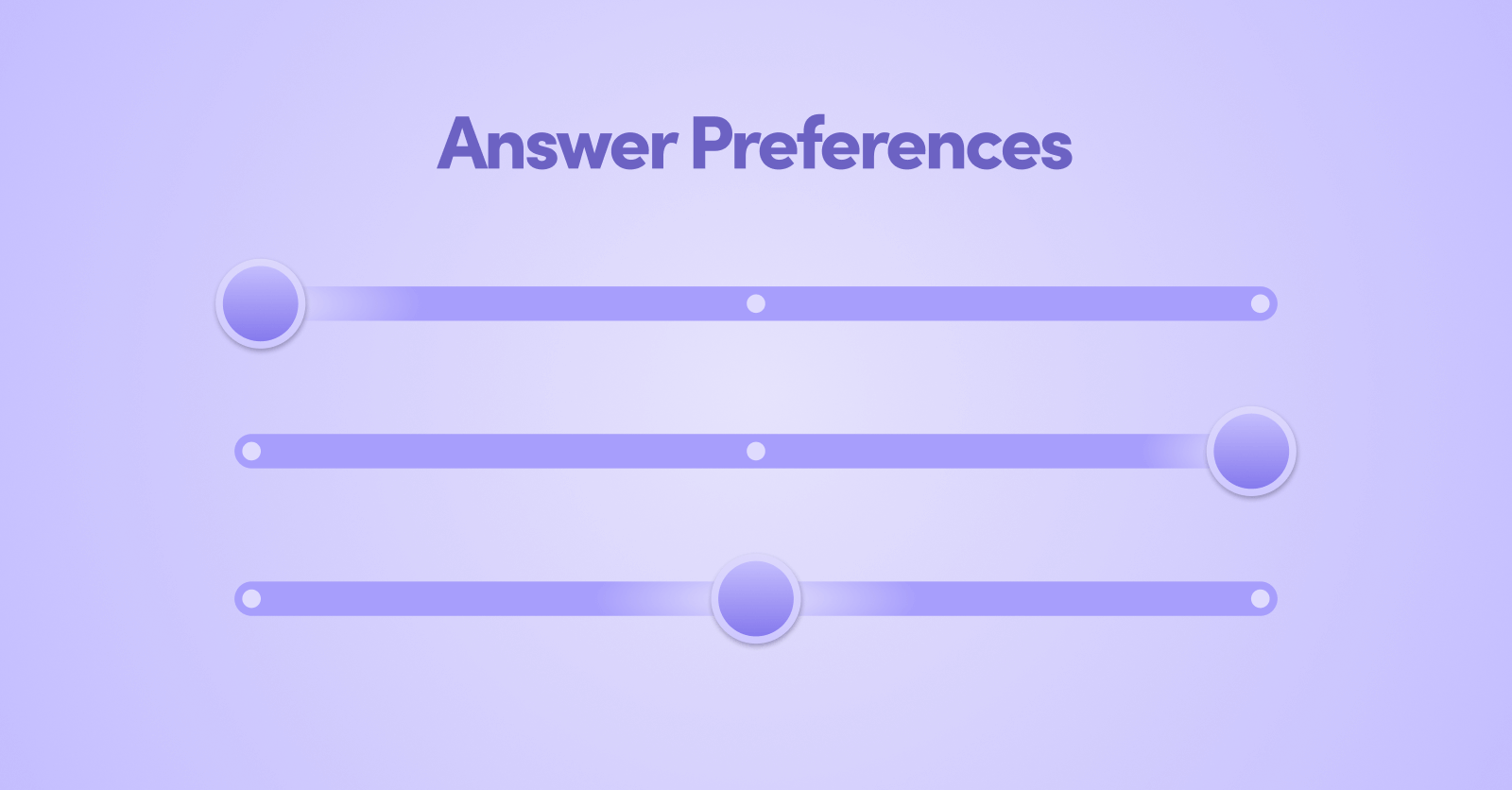
Customizing Unblocked’s answers
With Answer Preferences, you now get more control over how Unblocked answers your questions - from setting the length, research depth, and more.
Question confidential: Asking questions in private with Unblocked’s Incognito Mode
Incognito mode provides complete privacy for your code questions. Learn best practices to leverage this feature across all platforms.

Big Cartel: “Unblocked is like having a smart colleague available 24/7.”
Big Cartel’s lean, remote team works across functional boundaries to ship quickly. But before Unblocked, making sure everyone understood how the legacy codebase worked was a challenge.
Unblocked + DX - a new partnership for impact
Unblocked is embarking on a new partnership with DX - the developer intelligence platform designed by leading researchers to give true insight into the productivity of software development teams.
Introducing new features that make Unblocked even more helpful in Slack
We’re expanding the ways teams can get fast, accurate, and relevant answers to their questions in Slack with auto responses, support for private channels, bot DMs, and channel summarizations.
AppDirect: “Unblocked has been a game-changer for efficiency and focus.”
For the team at AppDirect, Unblocked checks all the boxes and more, tying together knowledge dispersed across internal platforms and giving developers context right where they’re working.
A Year of Unblocking Engineering Teams
Since our launch a year ago, we’ve added many new features, saved our customers hours every day, and reaffirmed our conviction that we’re solving an expensive problem for software development teams.

Cribl: “Unblocked is our number one tool for finding the information we should know but don’t.”
Cribl’s remote-first culture empowers its employees with flexibility, but keeping over 100 engineers on the same page across time zones poses a real challenge. That’s why the team turned to Unblocked.
Connecting your code no matter where it lives
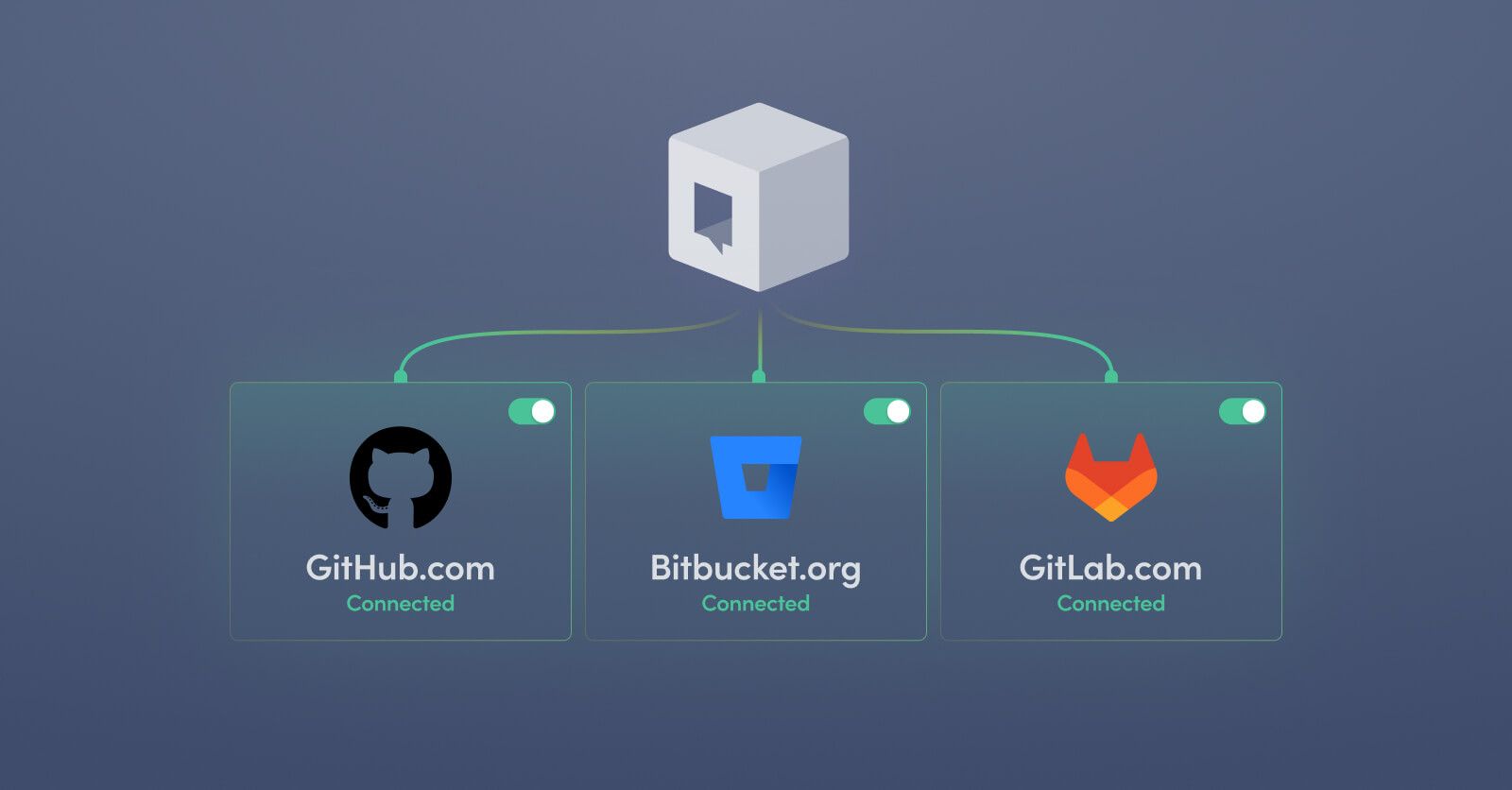
Unblocked now supports connecting to multiple source code systems at the same time. You and your team can get answers from any repository no matter where it lives (GitHub, Bitbucket, or GitLab).
Drata: “Our team saves 1 to 2 hours per engineer each day with Unblocked”
Drata’s distributed engineering team relies on Unblocked to get the answers about their codebase. With Unblocked, issues get resolved faster, tasks are completed sooner, and projects go more smoothly.
Your new developer feels like a fraud. It's your onboarding process.
New engineers face a tough learning curve, navigating a new role and a complex codebase. It’s no wonder they feel like imposters. We need to reimagine onboarding to better support them.

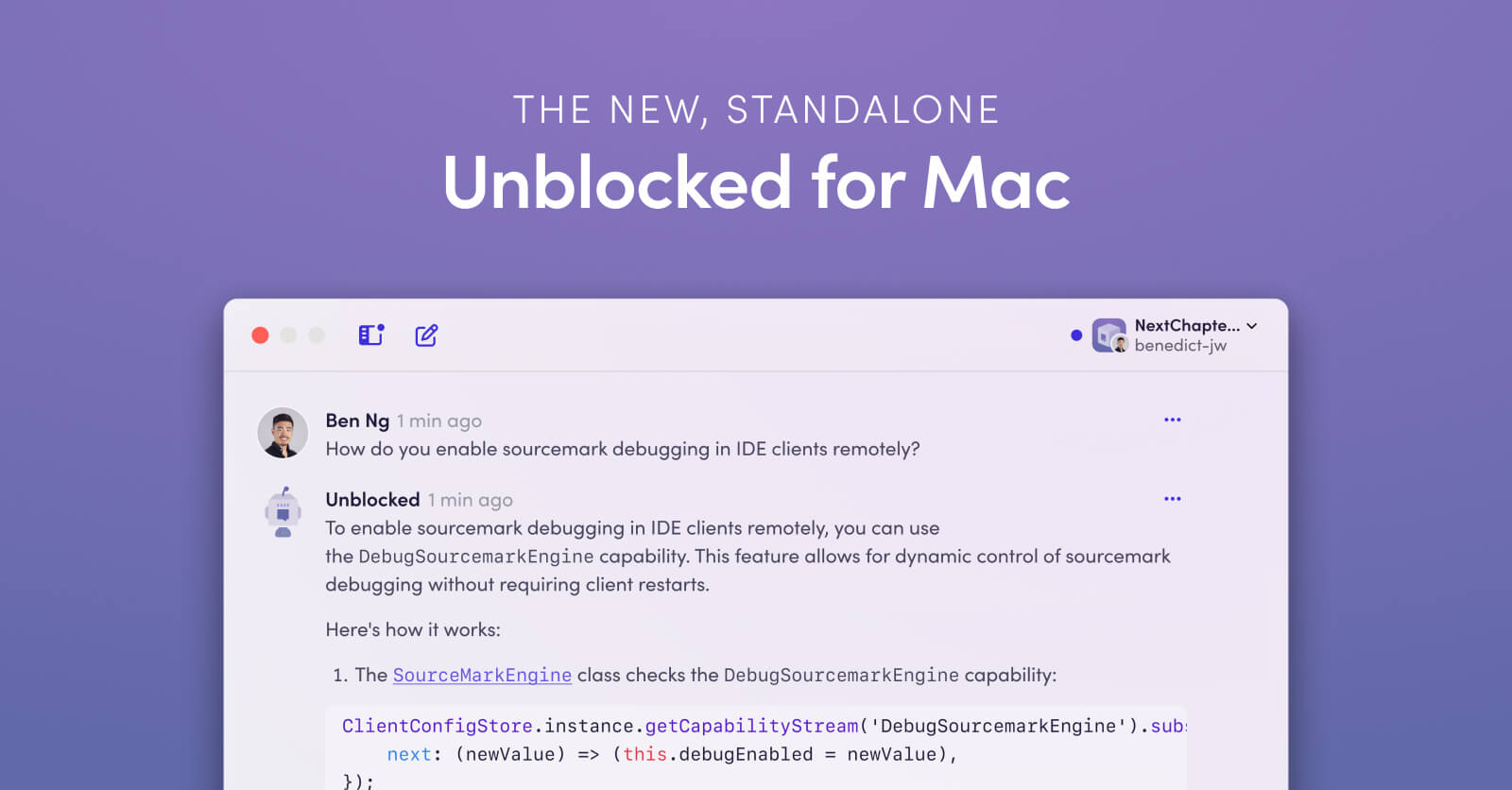
Answers, right at your fingertips, with the new Unblocked macOS app
The new Unblocked mac app provides a centralized place to ask questions, get answers, and view your past queries.
HTTPS Reverse Tunnel, now without the pain and cost
chiSSL is a new, lightweight version of chisel that allows you to expose any local server running on your development machine to the internet with a valid SSL certificate, all via a single command.

Faster responses, better answers about projects and issues, role-based permissions, & more
A number of new features are now available in Unblocked, helping you and your team get the answers you need about your codebase.

Unblocked IDE plugins now in the marketplace
Download the Unblocked plugin for Visual Studio Code and JetBrains IDE’s such as IntelliJ, WebStorm, PyCharm and more.
Support for Google Drive, better answers for PRs and more
Import Google Drive documents, improved Pull Request Questions and Answers, Team member overview, Support for Open Source Projects,Suggested Follow-ups Stick Around and more.
IDE improvements and support for all sized teams
We’re improving how you ask questions, discover relevant documents / threads / bugs, and making this available to everyone.
Saving time and money with self-hosted runners on EC2 on-demand / spot instances
We created a custom GitHub Action that automatically deploys self-hosted ephemeral runners to EC2 using Spot or On-Demand instances.

“Get Unblocked”
Today we're publicly launching Unblocked, a new developer tool that increases your productivity by providing helpful and accurate answers to questions about your codebase.